
How to Choose the Right Pads for Heavy Flow: What to Look For Before You Buy
Heavy-flow days can change the way you plan your morning, commute, workday, classes, travel and sleep. When you are worried about whether a pad will hold enough, shift while you move, or give you enough coverage, buying period products becomes more than simply choosing a familiar brand from the shelf.
The good news is that choosing pads for heavy flow becomes much easier when you know what to compare.
A pad that works well for one person may not be the best choice for another. Your flow can also change from one day of your period to the next. Menstrual bleeding is often heavier during the first days of a period, so your period-protection needs may change throughout the same cycle.
Instead of asking only:
“Which pad is the biggest?”
Ask a better question:
“What level of absorbency, coverage, fit and comfort do I need for this part of my period?”
This guide breaks down the most important things to look for before buying sanitary pads for heavy flow.
What Does “Heavy Flow” Actually Mean?
People use the phrase heavy flow in different ways.
For some women, it simply means that the first day or two of their period is noticeably heavier than the rest.
For others, bleeding may be heavy enough to interrupt sleep, work, school, exercise, travel or everyday activities.
Possible signs of heavy menstrual bleeding can include:
-
Needing to replace a pad or tampon very frequently
-
Soaking through period protection every hour for several hours
-
Bleeding for more than seven days
-
Needing to use more than one period product at the same time
-
Having to change period protection during the night because of bleeding
-
Passing unusually large blood clots
-
Period bleeding that significantly interferes with normal daily activities
The important distinction is that a better pad can make managing a heavy period easier, but a pad cannot treat the medical reason behind unusually heavy menstrual bleeding.
Quick Check
If you are repeatedly soaking through a pad in less than two hours, bleeding for more than seven days, frequently changing protection during the night because of the amount of bleeding, passing large clots, or finding that your period significantly disrupts normal activities, consider speaking with a qualified healthcare professional.
Period products manage menstrual flow; they do not diagnose or treat the cause of heavy bleeding.
Why the Right Pad Matters on Heavy-Flow Days
On lighter-flow days, a small mismatch between your flow and your pad may not cause much trouble.
On heavy-flow days, however, the wrong product can lead to:
-
Frequent saturation
-
Side leaks
-
Back leaks
-
Pad movement
-
Bunching
-
Discomfort
-
Constant checking
-
Worry about staining clothing
A good heavy-flow period pad should help with four practical things:
-
Absorb the amount of flow you usually experience between changes
-
Provide enough coverage for the way your flow spreads
-
Stay securely positioned while you sit, walk, work or sleep
-
Feel comfortable enough to allow you to continue your normal routine
A “heavy flow” label alone does not tell you everything.
Different brands can use different product names, absorbency ratings and sizing systems, so it is important to look at the complete pad design rather than relying only on one phrase printed on the front of the pack.
Start With Absorbency But Read the Pack Carefully
Absorbency is usually the first feature people think about when shopping for sanitary pads for heavy flow, and it is an important consideration.
Check the manufacturer's:
-
Absorbency indicator
-
Flow rating
-
Product description
-
Recommended use
Different brands may use:
-
Drops
-
Bars
-
Regular
-
Maxi
-
Super
-
Heavy
-
Overnight
These terms are not always perfectly standardised across every brand.
That means one brand's “Maxi” pad may be different from another brand's Maxi pad.
If your current pad becomes saturated much sooner than expected, you may need:
-
A higher-absorbency option
-
More coverage
-
A different pad design
-
More frequent changes
Does a thicker pad always mean better absorbency?
Not necessarily.
Do not assume that a visibly thicker pad will automatically absorb more.
Modern pad construction can vary considerably between products. Thickness alone is therefore not a reliable way to judge performance.
Instead, check the manufacturer's stated absorbency level and intended purpose.
Choose Enough Length for Where Your Flow Goes
Absorbency and length are not the same thing.
A pad may absorb well in the centre but still feel unsuitable if your menstrual flow regularly moves toward the front or back of your underwear.
For heavy flow, choose a pad that provides enough front-to-back coverage for your body and flow pattern without becoming uncomfortable or awkward to wear.
This becomes particularly important during:
-
Long workdays
-
Extended sitting
-
Travel
-
Sleeping
-
Days when your flow is heavier
Instead of automatically buying the longest pad available, think about where you normally experience leaks.
Pay Attention to Width and Side Coverage
Heavy menstrual flow does not always remain in the centre of a pad.
As you:
-
Walk
-
Sit
-
Exercise
-
Commute
-
Change sleeping positions
fluid can move toward the sides.
A pad with suitable width across the absorbent area may provide more practical protection than a narrow design.
This is particularly important if you regularly experience stains along the sides of your underwear even though the entire pad does not appear completely saturated.
What about wings?
Wings can help secure the sanitary pad around your underwear and reduce movement.
Wings do not automatically make a pad more absorbent, but they can help keep the absorbent part of the pad positioned where you need it.
Think about where your leaks normally happen:
Front leaks: You may need better forward coverage or a slight adjustment in pad placement.
Back leaks: A longer pad or Overnight Pad may work better, particularly while sleeping.
Side leaks: These may be connected with pad width, movement, saturation, placement or fit.
Match Your Pad to Daytime or Night-Time Use
One of the biggest mistakes when shopping for heavy-flow period protection is expecting one pad to work perfectly in every situation.
Different situations can require different designs.
Maxi Pads
Maxi Pads are generally chosen when you want greater absorbency or coverage than a lighter everyday pad.
They may be suitable during:
-
Long workdays
-
Classes
-
Errands
-
Commuting
-
Travel
-
Other situations where your flow requires more protection
When comparing Maxi Pads for heavy flow, check:
-
Absorbency rating
-
Pad length
-
Pad width
-
Wings or other securing features
-
Surface feel
-
How well the pad fits your normal underwear
Overnight Pads
Overnight Pads are designed around the fact that your body changes position while you sleep and that you may remain lying down for several hours.
A longer back section or broader coverage can be particularly useful for women who tend to experience back or side leaks during the night.
But remember:
Do not choose an Overnight Pad only because it is longer.
If your menstrual flow is heavy, you should also check whether the product offers the absorbency level you require.
Although Overnight Pads are primarily designed for sleeping, some people may personally prefer additional length at other times of the day as well. Always follow the product's intended-use instructions.
Do Not Confuse “Longer” With “More Absorbent”
Length helps with coverage.
Absorbency helps with the amount of menstrual flow the pad can manage.
They are related, but they are not identical.
For example, you may need:
-
High absorbency + moderate length for a busy daytime routine
-
High absorbency + extra length when sleeping
-
More side coverage if leaks occur around the edges
-
A more secure fit if your pad moves during activity
This is why the best pad for heavy flow is not automatically the biggest-looking option.
It is the pad that matches your actual flow pattern and routine.
Look for a Secure Fit That Works With Your Underwear
A sanitary pad can only work properly when it stays close to the area where menstrual flow is released.
Before assuming that every leak means your pad lacks absorbency, check the fit and positioning.
Your pad may be moving because:
-
The adhesive does not stick properly to your underwear
-
Your underwear is too loose
-
The pad is too wide for the underwear gusset
-
The pad is too narrow for your underwear
-
The wings are not positioned correctly
-
The pad bunches while walking or sitting
Choose comfortable, well-fitting underwear that keeps your pad securely positioned without excessive tightness.
The right combination of pad + underwear + placement can make a noticeable difference during heavy-flow days.
Consider Surface Comfort, Especially When Wearing Pads Frequently
During your period, the top surface of a pad remains in repeated contact with the external intimate area.
For this reason, surface feel can matter almost as much as absorbency for everyday comfort.
Some women may prefer:
-
A soft cotton surface
-
A cotton-like surface
-
A dry-feel top layer
-
A thin pad
-
A flexible design
What about 100% organic cotton pads?
If you are considering organic cotton period products, think of organic cotton primarily as a material and comfort preference.
Organic cotton should not be treated as a medical treatment for:
-
Heavy menstrual bleeding
-
Rashes
-
Infections
-
Other menstrual health conditions
For Moyo Comforts' 100% Organic Cotton pad series, the strongest positioning is therefore material choice and comfort alongside each pad's intended use.
The material does not medically stop heavy menstrual bleeding.
Check How Your Pad Performs When You Move
A pad that feels comfortable when you first put it on may perform differently after several hours of activity.
Think about your typical routine.
Do you:
-
Sit at a desk for long periods?
-
Walk frequently?
-
Commute to work or school?
-
Exercise?
-
Travel for several hours?
-
Sleep on your back?
-
Sleep on your side?
-
Sleep on your stomach?
-
Spend long periods away from an easily accessible bathroom?
For active or busy days, secure attachment and a pad shape that remains properly positioned may matter more than simply choosing the thickest product.
If you expect to spend a long time away from home, consider carrying:
-
Spare pads
-
Spare underwear if necessary
-
A small disposal bag
Heavy-flow period protection works best when you change your pad as needed rather than trying to make one product last longer than it comfortably can.
Know When to Change Your Pad
There is no single change schedule that works perfectly for every woman and every day of a period.
Your menstrual flow can change:
-
Between different people
-
From one cycle to another
-
From day to day
-
Even from hour to hour
Always follow your product's usage instructions.
You should change a sanitary pad earlier if it becomes:
-
Saturated
-
Wet
-
Dirty
-
Displaced
-
Uncomfortable
-
Leaky
Heavy-flow days naturally may require more frequent changes than lighter days.
However, if you repeatedly soak through a sanitary pad in less than two hours, frequently wake during the night because you need to replace period protection, or regularly need multiple period products at the same time to control bleeding, consider discussing this with a healthcare professional.
At that point, it may be more than simply a matter of finding a stronger pad.
Learn Your Own Flow Pattern
One of the easiest ways to choose better period products is to stop treating every day of your menstrual cycle as identical.
For two or three cycles, pay attention to:
-
How frequently you normally change your pad
-
Where leaks tend to occur
-
Whether nighttime flow behaves differently
-
Whether you need more length
-
Whether you need more absorbency
-
Which pad sizes feel most secure
-
Whether your menstrual flow suddenly changes from what is normal for you
You can then build your own period protection system rather than trying to use one product for every situation.
For example, some women may prefer:
Heavy daytime flow: Higher-absorbency Maxi Pad
Nighttime: Overnight Pad
Later lighter-flow days: A lighter period protection option
The best combination is personal and should be based on your actual needs and the instructions for each individual product.
Maxi Pads vs Overnight Pads for Heavy Flow
If you are trying to choose between Maxi Pads and Overnight Pads, first ask yourself what problem you are trying to solve.
If your main issue is saturation:
Focus primarily on absorbency.
If your main problem is where menstrual flow travels:
Focus on length and coverage.
If you experience heavy flow combined with back or nighttime leaks:
You may need both higher absorbency and additional coverage.
A Maxi Pad may be a practical option for heavy daytime use when its absorbency rating matches your flow.
An Overnight Pad may offer the extra shape or length you prefer when sleeping.
Because products can vary between manufacturers, always compare the actual packaging information rather than assuming every “Maxi” or “Overnight” pad has exactly the same design.
What About Maternity Pads?
Maternity Pads serve a different purpose.
They are generally designed for postpartum bleeding after childbirth, commonly known as lochia.
For that reason, you should not automatically treat Maternity Pads as simply “extra-strong period pads” because they appear larger or more absorbent.
If you are experiencing a normal menstrual period, choose a product designed for menstrual use unless the manufacturer's instructions specifically state otherwise.
This distinction is especially important when a brand offers:
-
Maxi Pads
-
Overnight Pads
-
Maternity Pads
within the same collection.
Each product should be chosen according to the situation it was specifically designed to support.
Common Mistakes When Buying Pads for Heavy Flow
1. Buying Only Based on Thickness
A thicker pad does not automatically tell you everything about:
-
Absorbency
-
Fit
-
Coverage
-
Performance
2. Choosing the Longest Pad Without Checking Absorbency
Length may improve coverage, but you still need enough absorbency for your actual flow level.
3. Ignoring Where Your Leaks Occur
Front, back and side leaks may point to different problems with:
-
Placement
-
Fit
-
Pad width
-
Coverage
-
Saturation
4. Wearing a Saturated Pad for Too Long
Even a highly absorbent sanitary pad needs to be replaced when it becomes:
-
Full
-
Wet
-
Soiled
-
Uncomfortable
5. Assuming Every “Heavy Flow” Pad Is the Same
Different brands use different rating systems.
Always read the actual package instead of relying only on the product name.
6. Using Period Products to Manage Symptoms That Need Medical Care
A better period product can make heavy bleeding more manageable, but it cannot diagnose or treat the medical cause behind unusually heavy periods.
A Simple Heavy-Flow Pad Checklist Before You Buy
Before adding a pack of sanitary pads to your basket, ask yourself:
-
Is this pad rated for my level of flow?
-
Is it long enough for where I normally experience leaks?
-
Does it give me enough side coverage?
-
Does it have wings or another secure fit if I prefer them?
-
Is the surface material comfortable for me?
-
Is this product designed for daytime or overnight use?
-
Will the pad fit the underwear I normally wear?
-
Can I easily carry replacements and change the pad during my daily routine?
-
Am I choosing this pad because it actually matches my needs—or simply because it looks bigger?
-
Has my bleeding become heavy enough that I should speak with a healthcare professional?
That last question is one of the most important.
When Heavy Flow May Need Medical Attention
Heavy periods are common, but extremely heavy or prolonged menstrual bleeding can sometimes be associated with conditions that require professional assessment.
Possible warning signs include:
-
Needing to change a pad or tampon approximately every one to two hours or more frequently
-
Soaking through menstrual products every hour for several hours
-
Bleeding for more than seven days
-
Passing large blood clots
-
Needing to use multiple period products simultaneously
-
Having to change protection during the night because of heavy bleeding
-
Heavy bleeding that interferes with work, school, exercise or everyday activities
Heavy or prolonged bleeding may also contribute to iron-deficiency anaemia, which can result in symptoms such as tiredness and weakness.
Seek medical advice if your periods have become significantly heavier than usual, are interfering with your everyday life, or are accompanied by symptoms that concern you.
A doctor or another qualified healthcare professional can investigate potential causes and recommend appropriate treatment.
Remember:
Period products manage menstrual blood after it leaves the body. They do not treat the cause of heavy menstrual bleeding.
Choosing Heavy-Flow Protection With Moyo Comforts
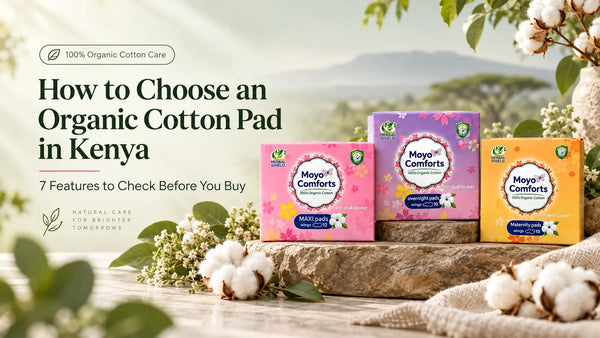
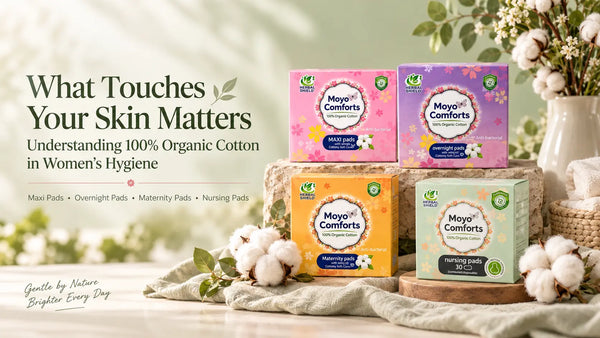
Moyo Comforts' expanding women-care range includes pad options designed for different stages and occasions, including Maxi Pads, Overnight Pads and Maternity Pads within its 100% Organic Cotton series.
For menstrual heavy-flow days, the most practical approach is to choose between Maxi and Overnight options based on:
-
Your flow level
-
Time of day
-
Where you require additional coverage
-
How much you move
-
Your preferred fit
-
Your preferred surface feel
-
The product's stated intended use
Maternity Pads should be used for their postpartum purpose according to the individual product instructions.
The goal is not to use the largest possible pad every day.
The goal is to choose the right product for the right situation.
Frequently Asked Questions
What type of pad is best for heavy flow?
There is no single best pad for everyone.
Look for a sanitary pad with:
-
An absorbency level suitable for heavy flow
-
Enough front-to-back coverage
-
Adequate side coverage
-
Secure fit
-
Comfortable surface material
Your best daytime pad may be different from your best nighttime pad.
Are Maxi Pads good for heavy periods?
Maxi Pads may be suitable for heavier-flow days if the specific product offers the absorbency level you need.
Always check the package because the term “Maxi” can describe different designs and absorbency levels depending on the brand.
Are Overnight Pads only for sleeping?
Overnight Pads are primarily designed with nighttime coverage in mind.
Some women may personally prefer the additional length during other situations, but you should still consider:
-
Absorbency
-
Fit
-
Coverage
-
Intended-use instructions
Does a thicker pad mean better protection?
Not necessarily.
Thickness alone does not tell you how much liquid the pad's absorbent core can handle or whether the pad will fit your body properly.
Use the manufacturer's absorbency rating and product design as your guide.
How do I know if my pad is not absorbent enough?
Your current pad may not meet your needs if it:
-
Becomes saturated very quickly
-
Frequently leaks despite correct placement
-
Does not comfortably last until your next reasonable change
You may need a higher-absorbency option or a different pad style.
However, if you repeatedly soak through a pad in under two hours, consider seeking medical advice about heavy menstrual bleeding rather than relying only on a stronger period product.
Can organic cotton pads reduce heavy menstrual bleeding?
No.
Organic cotton is a material choice and may be preferred because of its surface feel, softness and personal comfort.
It does not reduce menstrual blood production or medically treat the cause of heavy menstrual bleeding.
Should I use two pads at once for very heavy flow?
If you regularly need more than one menstrual product at the same time to manage your bleeding, this can be a possible sign of heavy menstrual bleeding.
Rather than treating double protection as your only solution, consider speaking with a qualified healthcare professional.
Final Thoughts
Choosing the right pads for heavy flow is not about automatically buying the thickest, longest or most expensive product.
It is about understanding your own flow.
Start with absorbency, then consider:
-
Length
-
Width
-
Side coverage
-
Fit
-
Wings
-
Surface comfort
-
Daytime vs nighttime use
Pay attention to where leaks usually happen and how your needs change throughout your menstrual cycle.
For many women, the ideal routine may involve more than one type of pad—for example, a Maxi Pad for heavier daytime flow and an Overnight Pad for sleeping.
Most importantly, remember that period products are management tools, not medical treatments.
If your bleeding regularly requires a new pad in under two hours, lasts longer than seven days, involves large clots, wakes you repeatedly during the night for changes, or significantly interferes with everyday activities, speak with a qualified healthcare professional.
The right pad can make a heavy-flow day easier to manage. The right health support matters when the flow itself is unusually heavy.